
Life here has a physical price of admission. Quartering an elk two miles from the truck. Wrestling a snowblower out of the shed. Climbing the stairs at Swords Park to watch the sunset off the Rims. Chasing grandkids across Pioneer Park.
Nobody thinks of those as workouts. They're just the good parts of living in Montana. And every one of them quietly depends on muscle you started losing decades ago.
How fast does strength disappear after 50?
Faster than most people budget for. Research puts muscle loss at roughly 3 to 8 percent per decade starting in your 30s, and the slide accelerates after 60. Grip, legs, and power go first, which is exactly the strength that hunting season and icy driveways demand.
The quiet part: you don't notice for years, because daily life keeps shrinking to match. The truck gets loaded differently. The stairs get taken slower. Then one October a hindquarter feels impossible, and it seems sudden. It wasn't.
Can strength training actually reverse that?
Yes, and this is the best news in the whole conversation. Muscle responds to progressive resistance at every age. Train with loads that climb gradually, and a 62-year-old adds real strength the same way a 35-year-old does, just on a slightly patient timeline.
Falls are the sharpest version of the stakes. The CDC lists falls as the leading cause of injury death for Americans 65 and older. Leg strength and balance are trainable, and the weight room is where both get trained. That's not a fitness claim. It's the closest thing prevention has to a sure bet.
What does a good over-50 program look like?
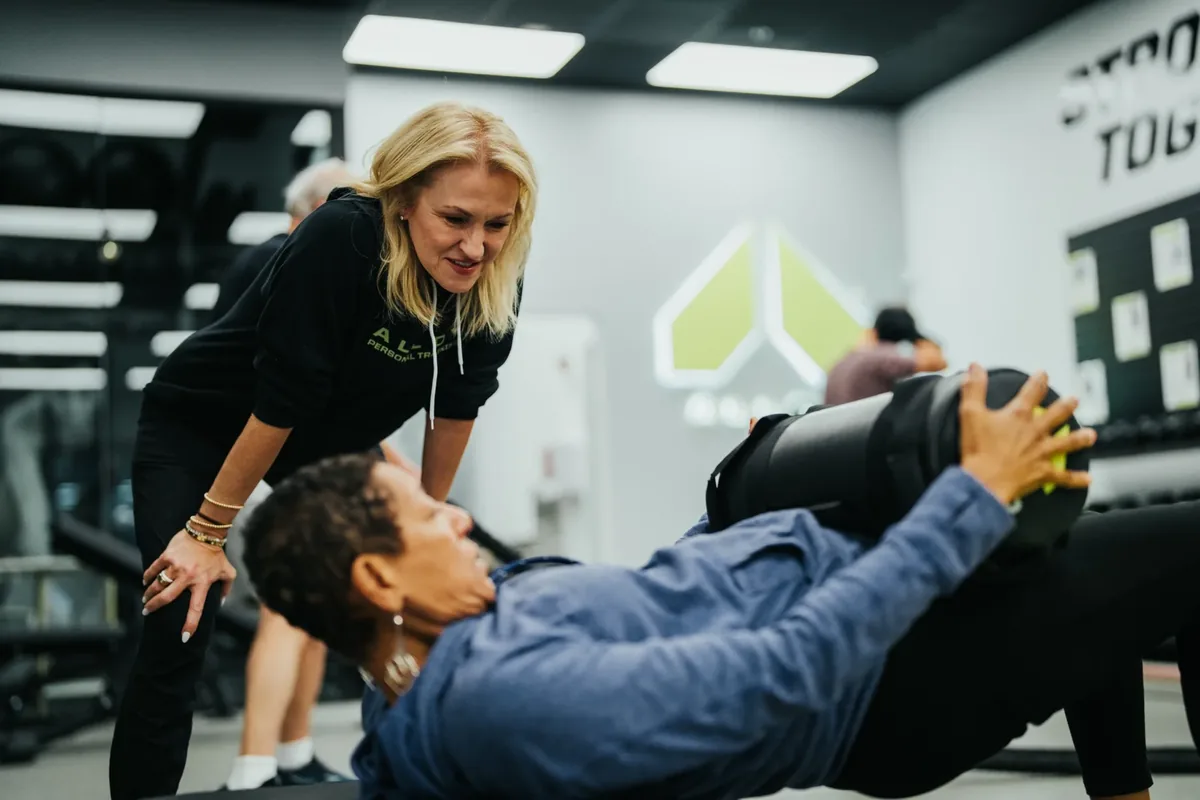
Simple on paper, careful in practice. Two or three coached sessions a week, 55 minutes each, organized around squatting, hinging, pushing, pulling, and carrying. Weights matched to your current body, progressed in structured 12-week blocks, with exercises swapped freely around cranky joints.
The "careful in practice" part is why coaching earns its keep at this age. The difference between productive and reckless gets narrower after 50. A coach keeps you on the right side of it while still asking enough of you to force change.
What doesn't work after 50?
Three popular dead ends. Cardio-only routines, which protect your heart while your strength keeps draining. The January bootcamp gamble, which trades three good weeks for a tweaked back and a lost season. And permanent light weights, the ones that never get heavier, which feel responsible and change almost nothing.
Walking the dog along Zimmerman Trail is genuinely good for you. It's just not a strength program, and after 50 the strength program is the part you can't skip.
How do Billings folks actually fit this in?
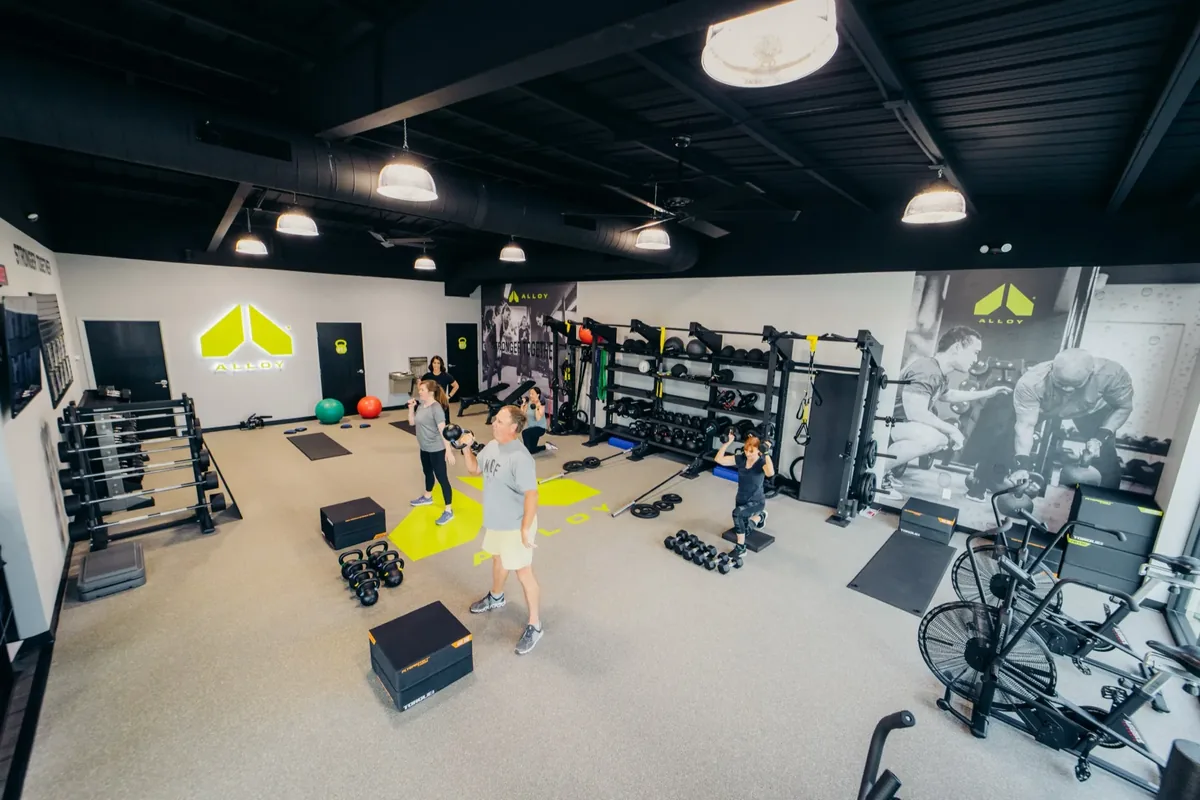
Mostly at the edges of the day. Our doors at Alloy open at 5 AM on weekdays. The early sessions fill with people who want training finished before the day gets away. Sessions are capped at six, so the appointment is real: booked time, a coach expecting you, a program waiting.
Everything starts with a Fitness Consultation. InBody scan, movement assessment, honest conversation about your goals and your parts list. Then a plan built for the body you have now, aimed at the decade you want next.
Frequently asked questions
I have arthritis. Is lifting off the table? Usually the opposite. Stronger muscles unload painful joints, and programs here are adjusted around your specific spots. Many members train comfortably with arthritis their doctors know all about.
Am I too old to start at 67? No. Research on adults starting resistance training in their 60s, 70s, and beyond keeps showing meaningful strength gains. The starting line moves. It never disappears.
How soon will hunting season feel different? Give it a season of consistency. Most members feel daily-life strength changes in six to eight weeks, and a fall of training shows up hard the next October.
Do you only work with athletes? We mostly work with regular Billings adults over 40. The goal isn't a competition. It's your life, with more margin.
Get strong for the life you already have
Book a Fitness Consultation at Alloy Personal Training Billings, 4011 Montana Sapphire Drive, Suite 2, or call (406) 296-6667. The Rims aren't getting lower. You may as well get stronger.